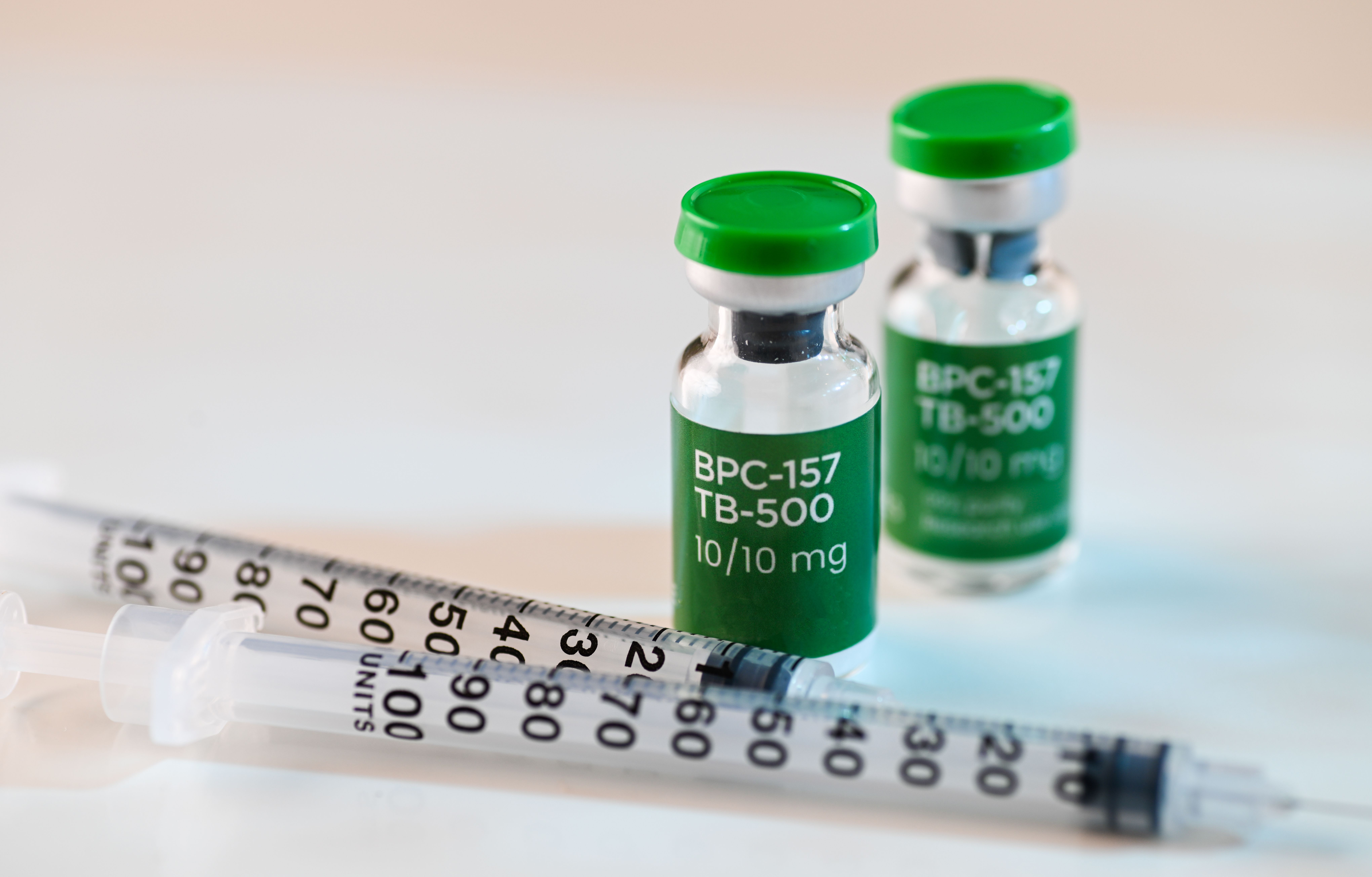
Its broad engagement with multiple biological pathways and reproducible behavior across experimental models distinguishes it from many short-chain peptides
In research communities, these peptides are often discussed as complementary rather than directly competitive because: GHK-Cu is often chosen for collagen, skin, scar, and cosmetic tissue remodeling goals BPC-157 is often chosen for tendon, ligament, joint, muscle, and deeper recovery goals For that reason, many researchers discussing GHK-Cu vs BPC-157 eventually decide the better question is not which one is better, but which one better matches the tissue target? If you are building a broader research setup, you may also want to browse our research peptide collection for compatible inventory planning
This is because endotoxins may introduce unwanted variables into laboratory studies and cause biological contamination, affecting experimental reproducibility
What is the difference between research grade and lab grade BPC-157