Aim for consistent water intake throughout the day to support the filtration process
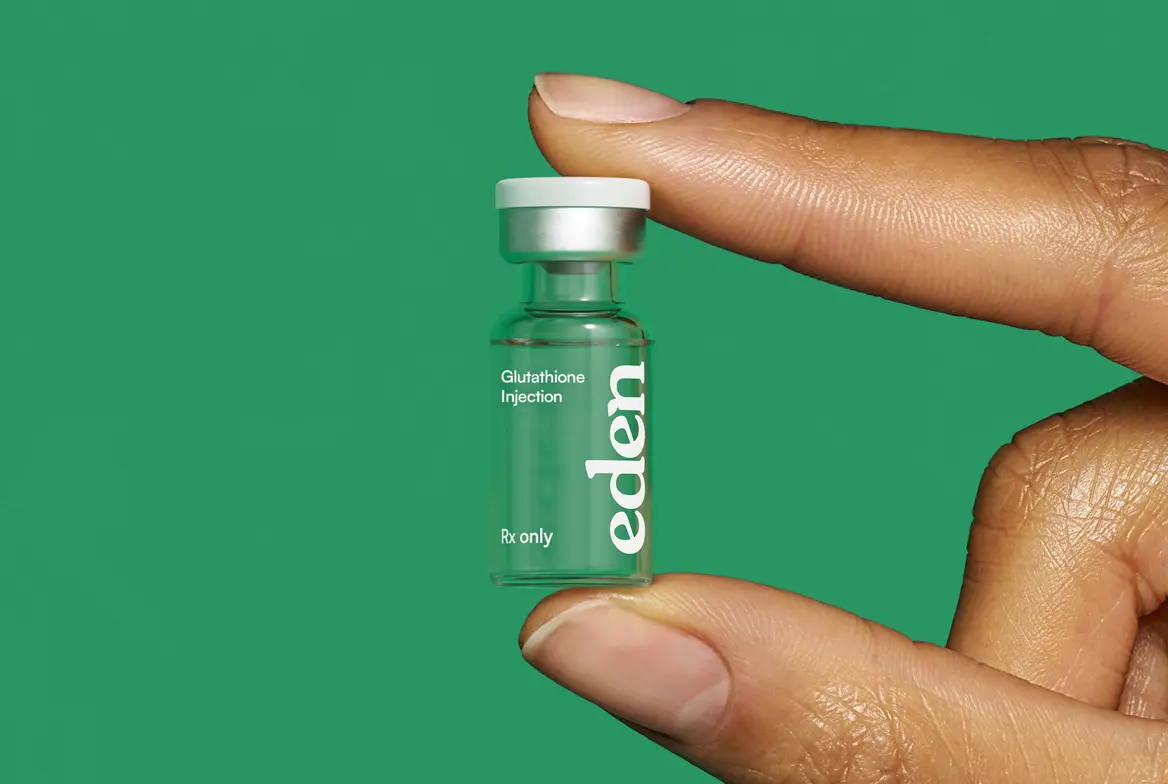
Administration Most peptides are administered via subcutaneous injection once or twice daily, often at night Protocols typically run 3 to 6 months, with progress tracked via lab work and body composition scans Timeline Many patients notice improvements in sleep, recovery, and workout performance within 3 to 6 weeks More significant changes in lean mass or body composition may take 8 to 12 weeks or longer Optimal outcomes occur when peptides are combined with structured training, optimized nutrition, and consistent sleep Side Effects Mild water retention, hunger, or tingling at injection site Rare effects may include fatigue or joint stiffness, usually resolved with dose adjustments Extension Health monitors all patients with regular check-ins and labs to ensure safety Safety, Risks, and Best Practices for Peptide Use Peptides are considered safer than traditional anabolic agents, but they are still bioactive compounds that require proper guidance, dosing, and monitoring

P/FP ratio: incorporation of PEEP into the PaO2/FiO2 ratio for prognostication and classification of acute respiratory distress syndrome
Many antioxidant molecules, such as GSH and N-acetylcysteine (NAC), were found to inhibit viral replication through different mechanisms of action (Fraternale et al., 2006)


