Common clinical goals for BPC-157 include: Supporting soft-tissue healing (tendons, ligaments, muscles, and fascia) after injury or overuse Promoting post-surgical recovery and tissue regeneration Reducing inflammation and associated pain in joints and musculoskeletal conditions Supporting gut lining integrity and symptoms related to gastric ulcers, IBS, or leaky gut Assisting recovery from sports-related injuries and enhancing exercise recovery Supporting blood flow to injured tissues to aid repair Adjunctive support for chronic pain related to tissue or nerve injury Addressing Common Misconceptions and Questions Surrounding BPC-157 Online discussions often include myths that can cloud understanding
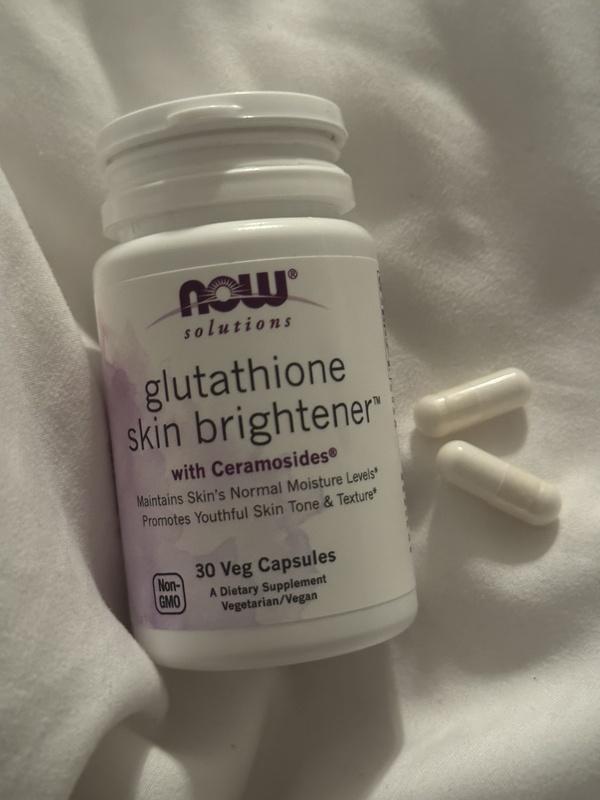
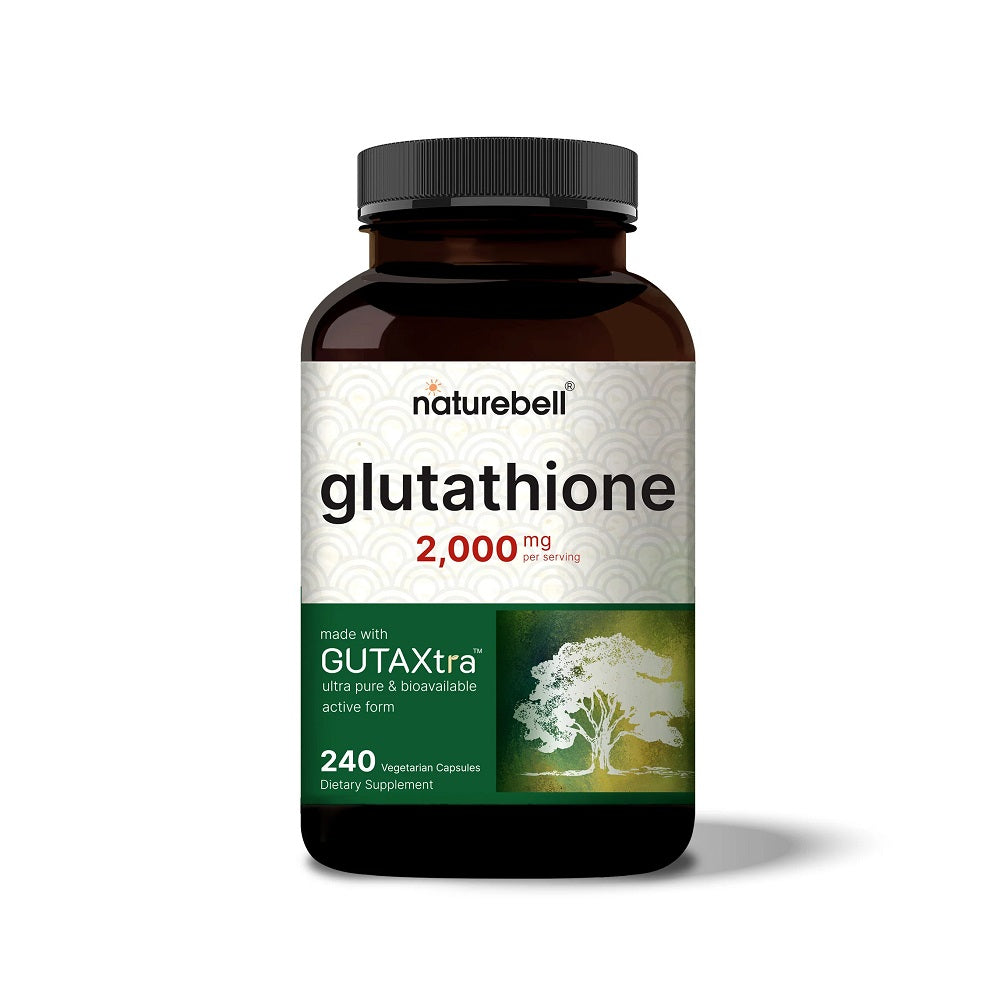
For any further inquiries about the potential uses of glutathione 500 mg capsules, please feel free to contact us
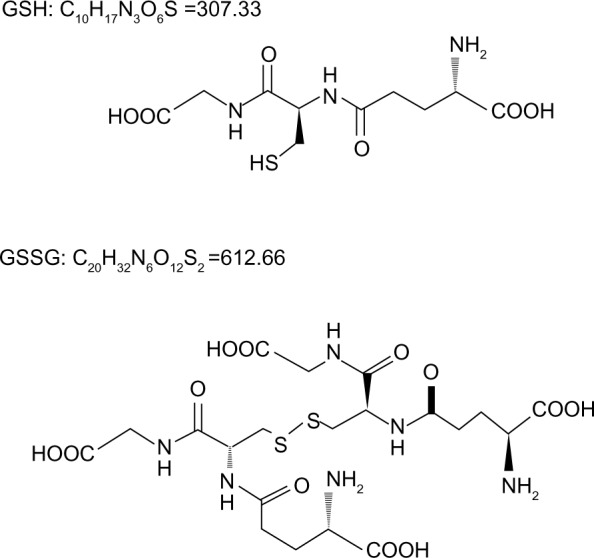
These include enzymes like superoxide dismutase (SOD), glutathione (GSH), and N-acetylcysteine (NAC), as well as non-enzymatic antioxidants like vitamin A, vitamin E, coenzyme Q10, and essential trace elements (77, 78)
This raises the possibility that FAAH inhibition in PTSD may improve outcomes of behavioral treatment in two ways: First, the ability of FAAH inhibition to attenuate stress reactivity may lessen the aversiveness of exposure-based therapy, thus promoting retention in treatment [25]