specific to drug product concentration and allowable levels of denaturation
It reduces dark spots, fights dullness, and prevents premature aging by neutralizing harmful free radicals in the skin

In rat studies, BPC-157 demonstrated healing effects in various colitis models, including cysteamine-induced colitis, improved intestinal anastomosis healing, and promoted closure of gastrointestinal fistulascomplications relevant to Crohn's disease.[4][5][3] The proposed mechanisms include interaction with the nitric oxide system, angiogenic effects, endothelium protection, and modulation of growth factor expression.[1][6] Critical limitations include the lack of published results from controlled human trials, absence of FDA approval, and concerns about products being sold online without regulatory oversight.[2] The peptide was temporarily banned by the World Anti-Doping Agency in 2022, though it is not currently listed as banned.[2] Given these limitations, BPC-157 cannot be recommended as standard therapy for ulcerative colitis or Crohn's disease based on current evidence
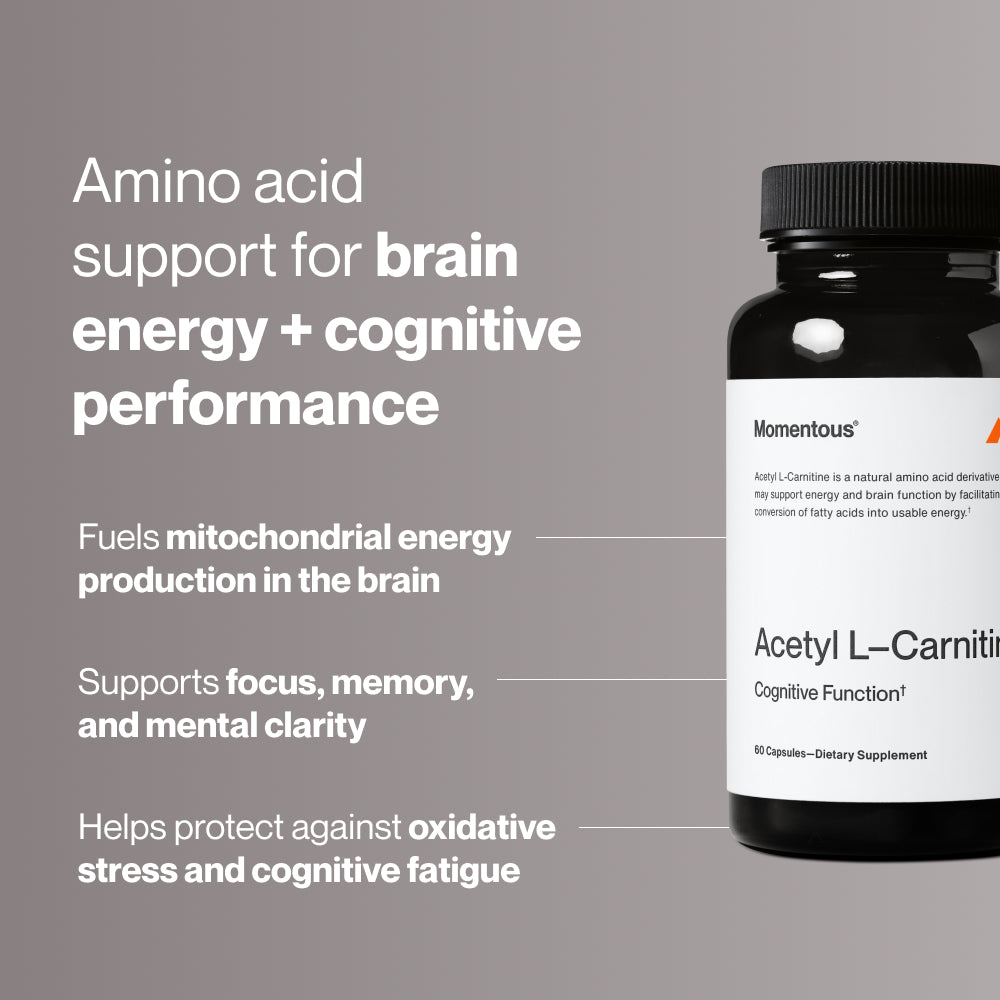
Similarly, online questionnaires have found a high prevalence of migraine-like headaches among patients with mitochondrial disease (66)